
The Bible tells the story of the Israelites’ escape from Egypt, a dramatic exodus from slavery to freedom in a “promised land.” But when you dig into the historical and geographical context, a curious contradiction emerges: the Israelites never truly left Egypt.
Here’s why. . . Where Did They Go?
The Bible claims the Israelites fled Egypt to reach Canaan, their “promised land.” However, at the time of the alleged Exodus (traditionally dated around the 13th-15th centuries BCE), the region they were heading toward—including the Sinai Peninsula and Canaan—was under Egyptian control! The Egyptian Empire’s reach extended far beyond the Nile, with military outposts and governance across the very areas where the Israelites supposedly wandered for 40 years.
 Wandering in Egyptian Territory:
For 40 years, the Israelites are said to have roamed the desert. But this wasn’t some remote, unclaimed wilderness—it was still Egypt! Egypt maintained strong control over the Sinai Peninsula, with garrisons, trade routes, and regular patrols. If the Israelites were in this region, they were still within Egypt’s domain the entire time.
Historical Silence:
Despite Egypt’s well-documented history, there’s no record of a mass slave exodus or even a significant group of people wandering in the Sinai for decades. For an event of such magnitude, the lack of Egyptian mention is suspicious—especially considering their meticulous record-keeping.
So, if the Israelites never truly left Egyptian-controlled territory, what does that say about the story of the Exodus? Could it be more myth than history?
This raises a deeper question: Why would the Bible frame the story as an escape from oppression when, geographically and politically, the Israelites were still within Egypt’s reach?
Maybe the story wasn’t about a literal departure, but about something symbolic—freedom from internal struggles, a cultural identity crisis, or a theological reimagining of their relationship with their god.
What do you think? Is the Exodus story historical, symbolic, or something else entirely?
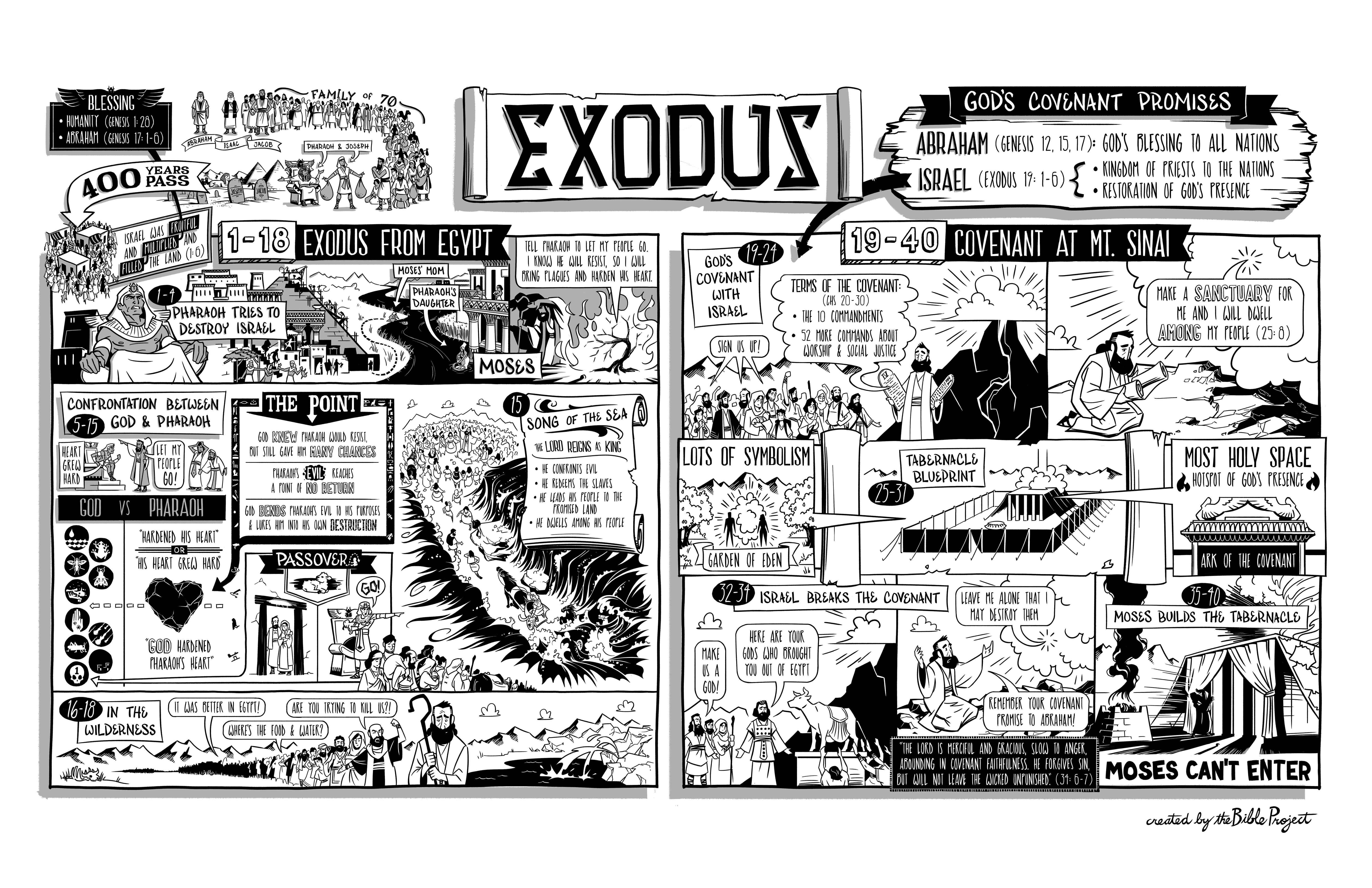
 Logical Exodus