
When we reflect on the Salem witch trials of 1692, it’s tempting to dismiss them as a bygone era’s misguided belief in witches. However, the true lesson lies deeper: it’s a stark reminder of how faith and fear can intertwine, leading communities to turn against one another with devastating consequences.
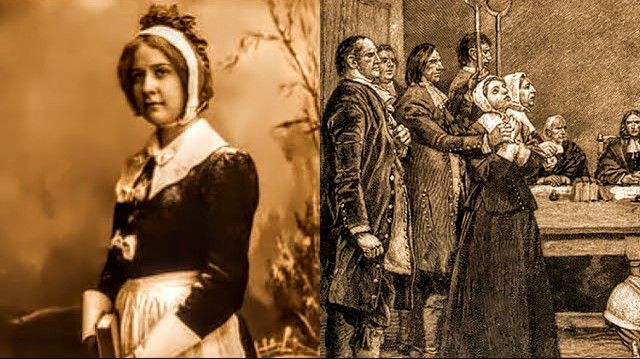
A Community Consumed by Fear
In the tight-knit Puritan society of Salem, Massachusetts, religious fervor was the cornerstone of daily life. The Puritans held an unwavering belief in the existence of the Devil and his ability to influence human affairs through witchcraft. This conviction wasn’t unique to Salem; between 1400 and 1775, Europe experienced waves of witch hunts, resulting in approximately 50,000 executions.
In Salem, this fear reached a fever pitch. Over several months in 1692, between 144 and 185 individuals were accused of witchcraft, with 19 executed after being found guilty. The community’s collective fear, fueled by religious zeal, created an environment where suspicion thrived, and reason was overshadowed by hysteria.
The Destructive Power of Faith and Fear
The Salem witch trials exemplify how deeply held beliefs, when combined with fear, can lead to catastrophic outcomes. The Puritans’ fear of the Devil and their desire to purify their community led them to target innocent neighbors, resulting in wrongful accusations, trials, and executions. This tragic episode underscores the danger of allowing fear to override rational thought and compassion.
Historical and Modern Implications
The events in Salem are not isolated. Throughout history, religiously motivated violence has claimed countless lives. For instance:
The Crusades: A series of religious wars between Christians and Muslims, resulting in an estimated 1 to 9 million deaths.
The Thirty Years’ War: A conflict across Central Europe with religious undertones, leading to approximately 4.5 to 8 million fatalities.
The French Wars of Religion: A series of conflicts primarily between Catholics and Protestants, causing around 2 to 4 million deaths.
In more recent times, religious hostilities continue to manifest. In 2012, mob violence related to religion occurred in 25% of countries worldwide, up from 12% in 2007. These statistics highlight the persistent potential for faith, when intertwined with fear and intolerance, to incite violence and division.
A Call for Reflection
The Salem witch trials serve as a poignant reminder of the perils of allowing fear and religious fervor to dictate actions. It’s crucial to approach beliefs with a critical mind and a compassionate heart, ensuring that faith becomes a source of unity rather than division. By learning from the past, we can strive to prevent history’s darkest chapters from repeating themselves.
In remembering Salem, let us honor the victims by fostering a society where reason, empathy, and understanding prevail over fear and blind faith.
Sources:
“The Salem Witch Trials of 1692.” Peabody Essex Museum. https://www.pem.org/the-salem-witch-trials-of-1692
“Salem Witch Trials.” History.com. https://www.history.com/topics/colonial-america/salem-witch-trials
“List of wars by death toll.” Wikipedia. https://en.wikipedia.org/wiki/List_of_wars_by_death_toll
“French Wars of Religion.” Wikipedia. https://en.wikipedia.org/wiki/French_Wars_of_Religion
“Religious Hostilities Reach Six-Year High.” Pew Research Center. https://www.pewresearch.org/religion/2014/01/14/religious-hostilities-reach-six-year-high/
 Logical Exodus