
Many religious believers argue that morality comes from a divine source, such as God, who is claimed to be unchanging and eternal. However, historical evidence shows that morality is far from static—it evolves with human society. This raises an important question: If morality came from an unchanging god, why has it clearly changed over time?
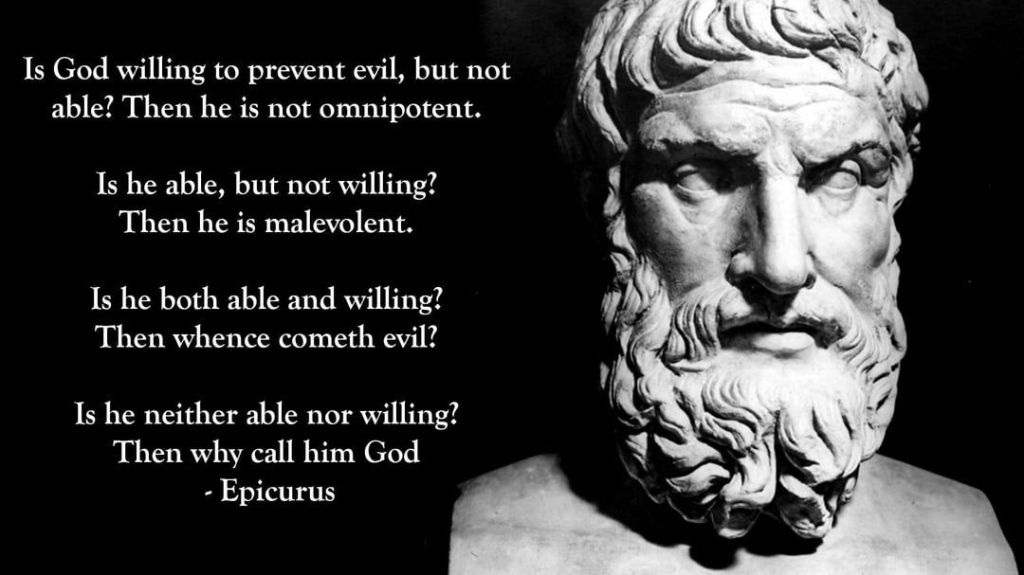
Morality in Ancient Times vs. Today
Slavery
The Bible, both in the Old and New Testaments, condones slavery. In Exodus 21:20-21, slaveowners are given permission to beat their slaves as long as they don’t die within a day or two. In the New Testament, Ephesians 6:5 commands slaves to obey their masters. Today, slavery is universally condemned as a gross violation of human rights. If morality came from a god who is always “good” and unchanging, why would such a god allow (or even endorse) such cruelty?
The Role of Women
In ancient times, women were treated as property. In Deuteronomy 22:28-29, a man who rapes a virgin is required to marry her and pay her father 50 shekels of silver. Today, this would be considered appallingly immoral—forcing a victim to marry their abuser violates basic human dignity. Our modern views on gender equality and consent starkly contrast with these ancient “moral laws.”
Genocide
The Old Testament contains numerous accounts of God commanding the Israelites to commit genocide. For example, in 1 Samuel 15:3, God commands Saul to kill every man, woman, child, and even the animals of the Amalekites. In contrast, modern morality considers genocide one of the gravest crimes against humanity. How can a god who is supposedly the source of morality and love justify such acts?
Polygamy and Child Marriage
Polygamy was common and accepted in biblical times. Figures like Abraham, Jacob, and Solomon had multiple wives and concubines. Additionally, girls as young as 12 were often considered ready for marriage. Today, polygamy is largely seen as unethical, and child marriage is recognized as exploitative and harmful.
Punishments for “Sins”
The Old Testament prescribes the death penalty for “sins” like working on the Sabbath (Exodus 35:2), cursing one’s parents (Leviticus 20:9), or engaging in same-sex relationships (Leviticus 20:13). Today, these punishments are seen as barbaric and unjust. The idea of killing someone for something as trivial as working on a specific day of the week is incomprehensible to modern moral sensibilities.
Where Does Morality Really Come From?
Morality clearly evolves as human societies grow and develop. It is shaped by culture, empathy, reason, and the collective experiences of humanity. What was once considered moral (like slavery or child marriage) is now recognized as deeply wrong. If morality truly came from an unchanging divine source, it would not have changed so drastically over time.
Instead, it seems evident that morality is a human construct, refined through trial and error as we strive to create fairer and more just societies. We recognize and correct injustices not because of divine command but because of our shared human capacity for compassion and reasoning.
The Implications
If morality evolves, and historical “moral” practices once endorsed by God are now seen as immoral, then it’s clear that morality is not divine or absolute. It is a product of human growth and societal progress. A god who “never changes” cannot account for the ever-changing moral landscape we see throughout history. Instead of looking to ancient texts for moral guidance, we should rely on empathy, reason, and a commitment to improving the world for all. Let’s stop attributing morality to gods and start recognizing it as the result of human cooperation, progress, and a shared desire to make life better for everyone.
 Logical Exodus