
Christians often declare their unwavering obedience to God, insisting that they would follow His commands no matter what. But would they? If faced with the same test as Abraham—the command to sacrifice their own child—how many would comply? And if they wouldn’t, what does that say about their perception of morality versus their proclaimed faith?
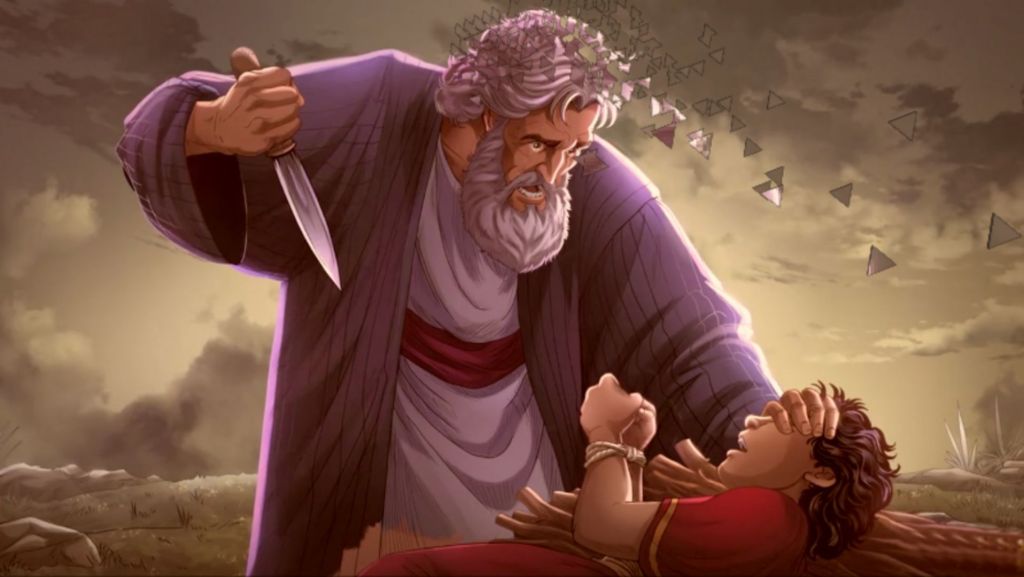
Abraham’s Test: A Holy Act or a Horror Story?
Genesis 22 tells the story of Abraham being commanded by God to sacrifice his son, Isaac:
“Take your son, your only son, whom you love—Isaac—and go to the region of Moriah. Sacrifice him there as a burnt offering on a mountain I will show you.” (Genesis 22:2)
Abraham, without recorded hesitation, sets out to obey. He binds his son, lays him on the altar, and raises the knife before an angel intervenes at the last moment (Genesis 22:10-12). This story is often told as an example of faith and obedience, but let’s take a step back.
If someone today claimed that God told them to kill their child, would anyone call it an act of righteousness? Or would we rightfully see it as delusional, dangerous, and evil?
Cognitive Dissonance: The Moral Contradiction
If you asked a Christian whether they would sacrifice their child if God commanded it, most would recoil in horror. They would insist that God would never ask such a thing, even though the Bible clearly states that He did.
This creates a cognitive dissonance—a mental conflict between believing in God’s moral perfection and recognizing that this command is utterly immoral. If murder is wrong in every other context, why is it suddenly righteous when God orders it? More importantly, if someone claims they would obey such a command, does that not make them dangerous? If they wouldn’t obey, then what does that say about their supposed commitment to doing “whatever God asks”?
Would You Really Kill for God?
Christians often say they would follow God’s commands without question. But when faced with an extreme example like Abraham’s test, the truth comes out: most recognize that such a demand is evil.
Even Jesus condemned those who harm children:
“If anyone causes one of these little ones to stumble, it would be better for them to have a large millstone hung around their neck and to be drowned in the depths of the sea.” (Matthew 18:6)
So why is Abraham celebrated for doing what today would be considered monstrous? Why is it faithful for Abraham but evil for anyone else?
Faith Without Morality Is Dangerous
If you claim that morality comes solely from God, then you must accept whatever He commands, even if it goes against your conscience. But if you trust your own moral compass enough to reject such a command, then you acknowledge that morality exists outside of divine orders.
So which is it? Do you follow God no matter what, or do you have an internal moral standard that even He should not cross?
The story of Abraham’s test forces Christians to confront an uncomfortable truth: their faith is built on a contradiction. Either they admit they wouldn’t kill for God, making them selective in their obedience, or they say they would, making them frighteningly detached from basic human ethics.
It’s time to be honest. If a command feels wrong, maybe it’s because it is. And maybe that tells us something far more profound about where true morality comes from.
Article by Leslyann Soeung
 Logical Exodus